
Three Realities You’ve Gotta’ Know About
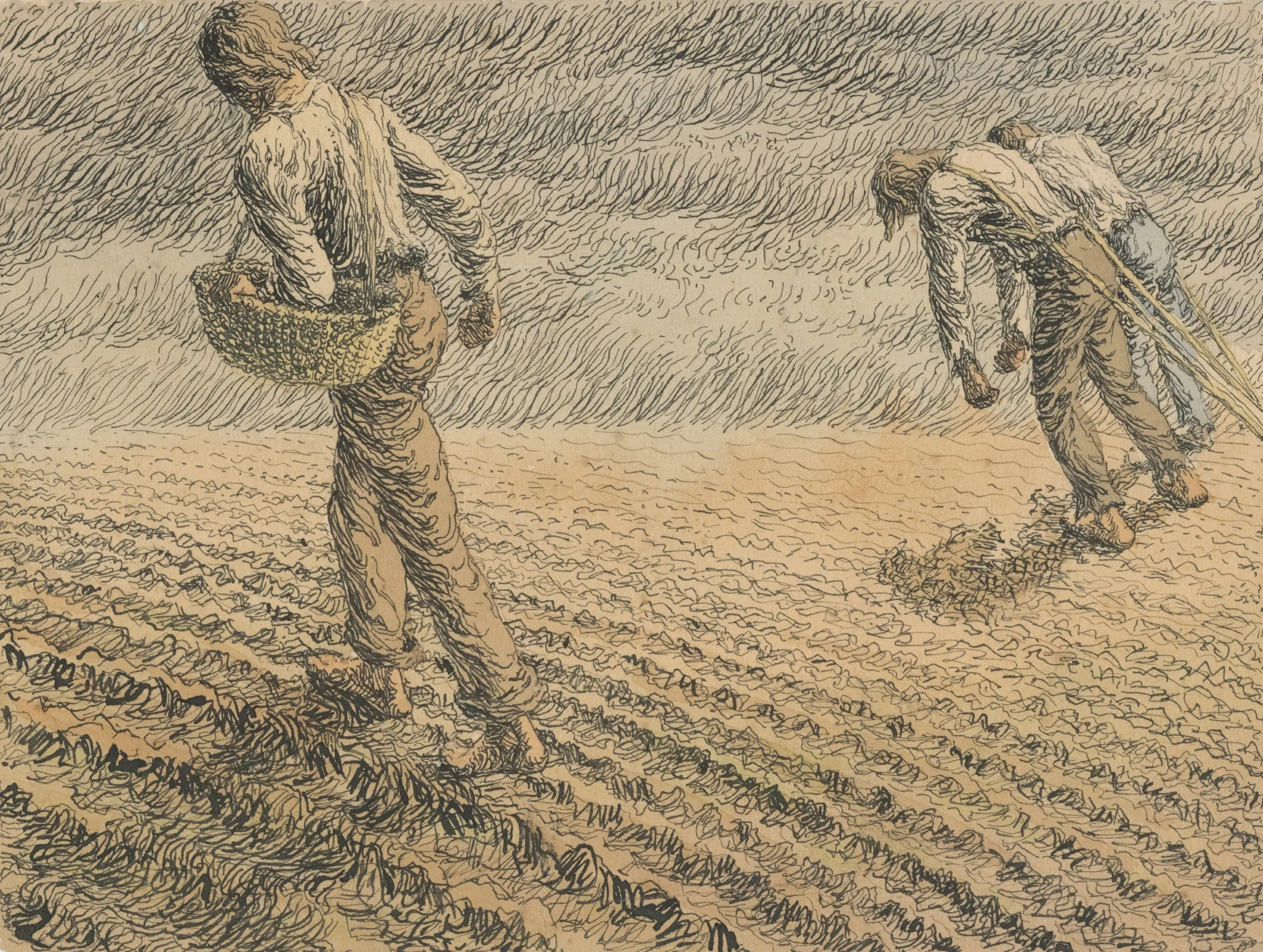
Here's a story about a man named Remus Starr that shows how the principle of sowing and reaping works despite others' efforts to change the reaping.
An amateur genealogical researcher discovered that his great-great-uncle, Remus Starr, a fellow lacking in character, was hanged for horse stealing and train robbery in the state of Montana in 1889. The only known photograph of Remus shows him standing on the gallows. On the back of the picture is the following inscription. "Remus Starr; horse thief; sent to Montana Territorial Prison 1885; escaped 1887; robbed the Montana Flyer train six times. Caught by Pinkerton Detectives. Convicted and hanged in 1889."
In the family history, subsequently written by the researcher, Remus's picture is cropped so that all that is seen is a head shot. The accompanying biographical sketch was written as follows:
"Remus Starr was a famous cowboy in the Montana Territory. His business empire grew to include the acquisition of valuable equestrian assets and intimate dealings with the Montana railroad. Beginning in 1885, he devoted several years of his life to service in a government facility, finally taking leave to resume his dealings with the railroad. In 1887, he was a key player in a vital investigation run by the renowned Pinkerton Detective Agency. In 1889, Remus passed away during an important civic function held in his honor when the platform upon which he was standing collapsed."
At times, that sounds like our mainline media today, doesn't it? However, even a talented wordsmith can't suppress the truth about Remus Starr and the consequences of Remus's sowing and reaping. There are consequences to our actions today that meet us tomorrow. Consider this: If you tell the truth, it becomes part of your past. If you tell a lie, it becomes part of your future. In other words, truth or consequences. The Bible says in Galatians 6:7, "Do not be deceived, God is not mocked; for whatever a man (or woman) sows, this he or she will also reap." In other words, payday, someday, positively or negatively.
Most of what we do in life is sow seeds and reap the harvest of those seeds. The seeds we sow can be our attitudes, our choices, our words, our time spent with family or friends, our money, and our care and concern, or lack thereof. Harvests come from these seeds, and they can work for us or against us. That's why I want to make you aware of the Three Realities of Sowing and Reaping.
A perfect gift for believers and seekers alike, this engaging book helps readers discover truth, purpose, and a fresh perspective on God and life.
Law #1 is We Reap What We Sow. If you plant an apple seed, you will get an apple tree unless it's been nuked, cloned, or grafted. In other words, if you desire friendship, sow it to others. The best vitamin for friendship is B-1. If you desire compassion, be compassionate yourself. If you want forgiveness, forgive others. You sow first and reap second.
Law #2 is We Reap More Than We Sow. Just look at one kernel of corn that can produce thousands of kernels. One kind act you do in the community can touch thousands of others. Conversely, one destructive act by one person can adversely affect thousands and thousands. The Bible says in Hosea 8:7, "For they sow the wind, and they reap the whirlwind." One little match can destroy a whole forest.
Law #3 is We Reap Later Than We Sow. Seeds take time to grow. Some plants grow quickly; others take years. What we get away with today may come back to visit us tomorrow, as with our friend Remus Starr. If you are investing in and planting good seeds, don't get discouraged. The Bible says you will reap if you don't grow weary.
Humorist Evan Esar said, "We can't do much about the length of our lives, but we can do plenty about the width and depth of our lives." How? By the intelligent use of the principle of sowing and reaping, seed time and harvest. You can either use this principle to your advantage or be used by it as a learning opportunity, courtesy of the school of hard knocks.
Here's a secret to overcoming bad harvests in our lives. During a negative harvest, start planting good seeds. For example, if you have been unfaithful in the past and are now paying the price, be faithful now. If you have been judgmental and bitter in the past, be understanding and forgiving now. If you have been unmerciful in the past, be merciful now. If you have been stingy with others in the past, be more generous now.
If you have a habit of lying, start now to sow seeds of truth-telling. Who knows? You may save a troubled life, either yours or someone else's, or even a troubled relationship. You may bring trust back into that relationship you thought was beyond hope. There is even a verse in the Bible that says, "The plowman will overtake the reaper" (Amos 3:19). Sometimes, good seeds planted with a contrite heart grow quickly.
And please don't think, "Oh, I wish so and so could read this article." It's written for you and me, not for them. Next week, let's explore the truth and consequences of corruption in our world today.
You might not be a goer,
but you can be a sender.
Your gift is a gift to communities and nations all over the world.